We don't sell packaging. We sell shelf life.
Case Study · Fresh Produce
In a refrigerated storage trial, Antilia Tec Pack compared a MicroKlimate™ Modified Atmosphere Packaging (MAP) bag with a non-MAP / other MAP bag using mangoes harvested on the same day. The non-MAP bag kept fruit marketable for about 20 days; the MicroKlimate™ MAP bag held firm, green, export-quality mangoes for 38 days — which then ripened normally to bright orange flesh, with no preservatives or chemical treatments.
A side-by-side refrigerated storage trial on fresh mature green mango — MicroKlimate™ MAP bag vs non-MAP / other MAP bag, under identical conditions.
Days — MicroKlimate™ MAP
Days — Non-MAP / Other MAP
Preservatives used
The challenge
One of the biggest challenges faced by mango exporters is maintaining fruit quality during long-distance sea transportation. Even after harvest, mangoes continue to respire, lose moisture, and ripen. Without the right packaging, quality deteriorates rapidly — leading to weight loss, fungal growth, softening, and significant post-harvest losses.
To evaluate how packaging influences storage life, Antilia Tec Pack conducted a comparative refrigerated storage trial using a non-MAP / other MAP bag (control) and a MicroKlimate™ Modified Atmosphere Packaging (MAP) bag. Both packs contained mangoes harvested on the same day and stored under identical refrigerated conditions.
Trial information
| Fruit | Fresh mature green mango |
| Filling date | 23 June 2023 |
| Packaging compared | Non-MAP / Other MAP bag vs MicroKlimate™ MAP bag |
| Storage | Refrigerated cold storage |
| Trial duration | 38 days |
| Treatments | No preservatives or chemical treatments used |
Freshly harvested mangoes of similar maturity were divided into two equal groups — a control group in a standard non-MAP bag and a test group in a MicroKlimate™ MAP bag — and stored under identical refrigerated conditions. At the start, both groups held fresh, uniform, firm, commercial export-quality fruit with no visible decay.
The result
Control
Test
From the trial
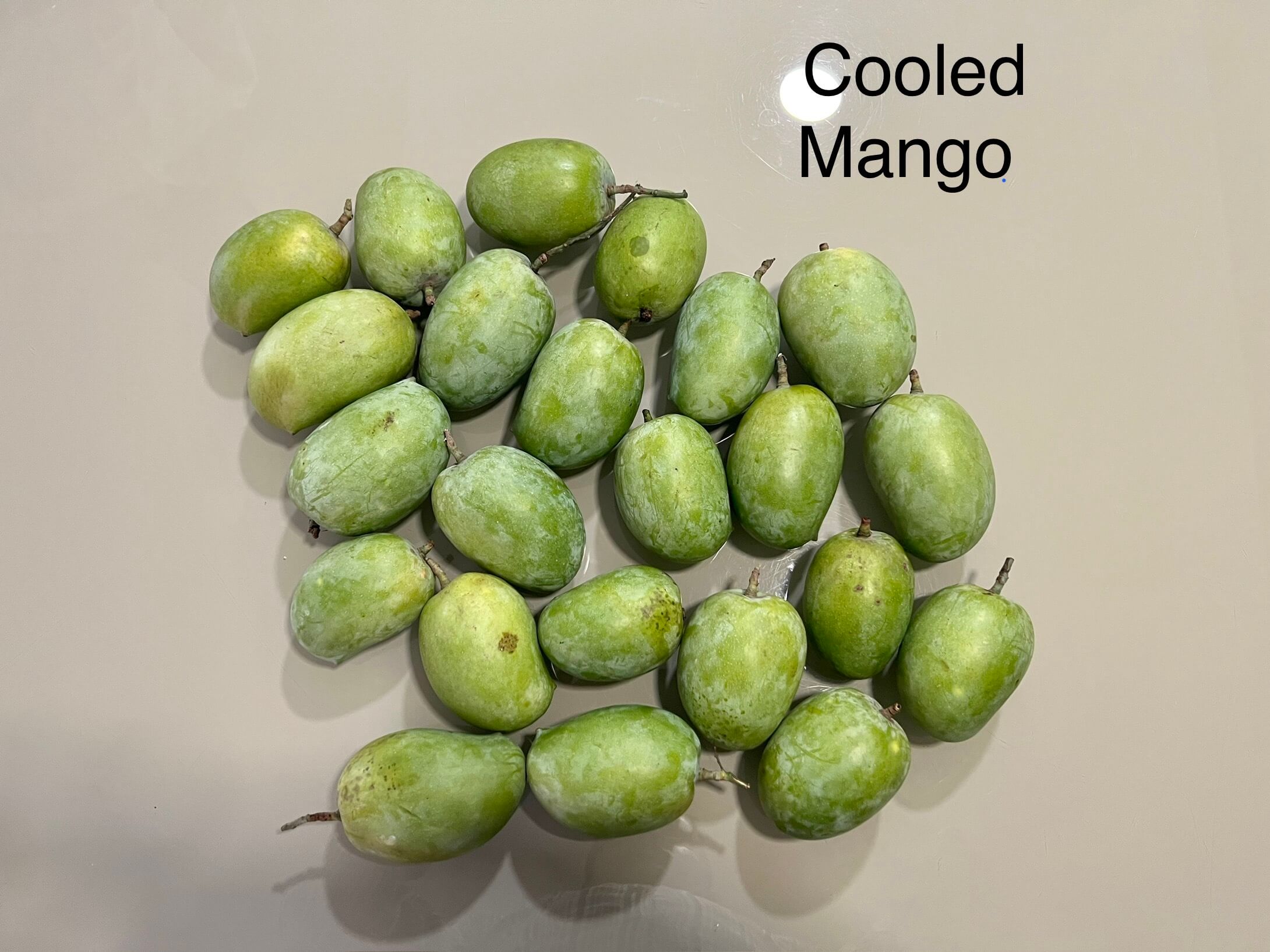
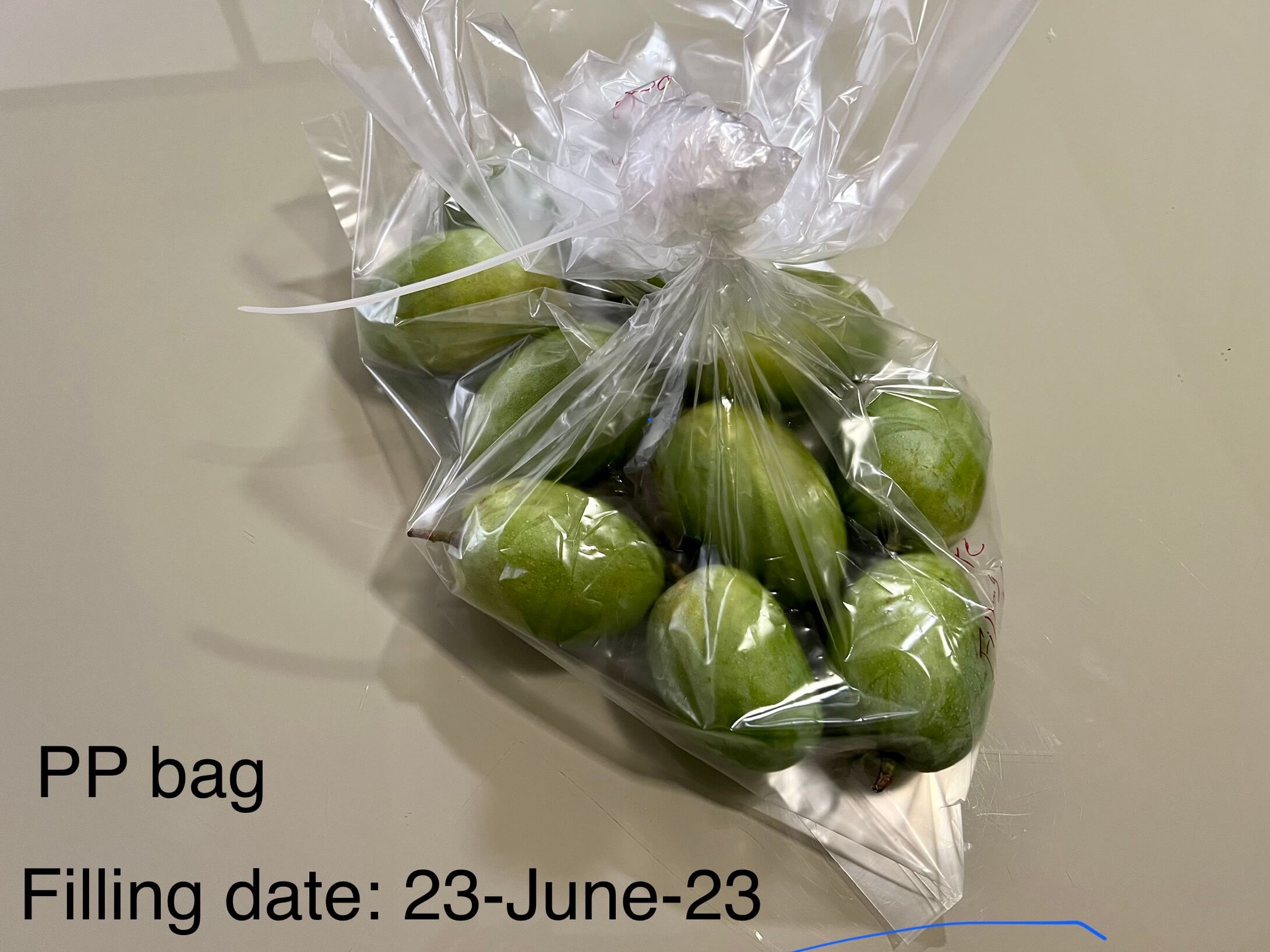
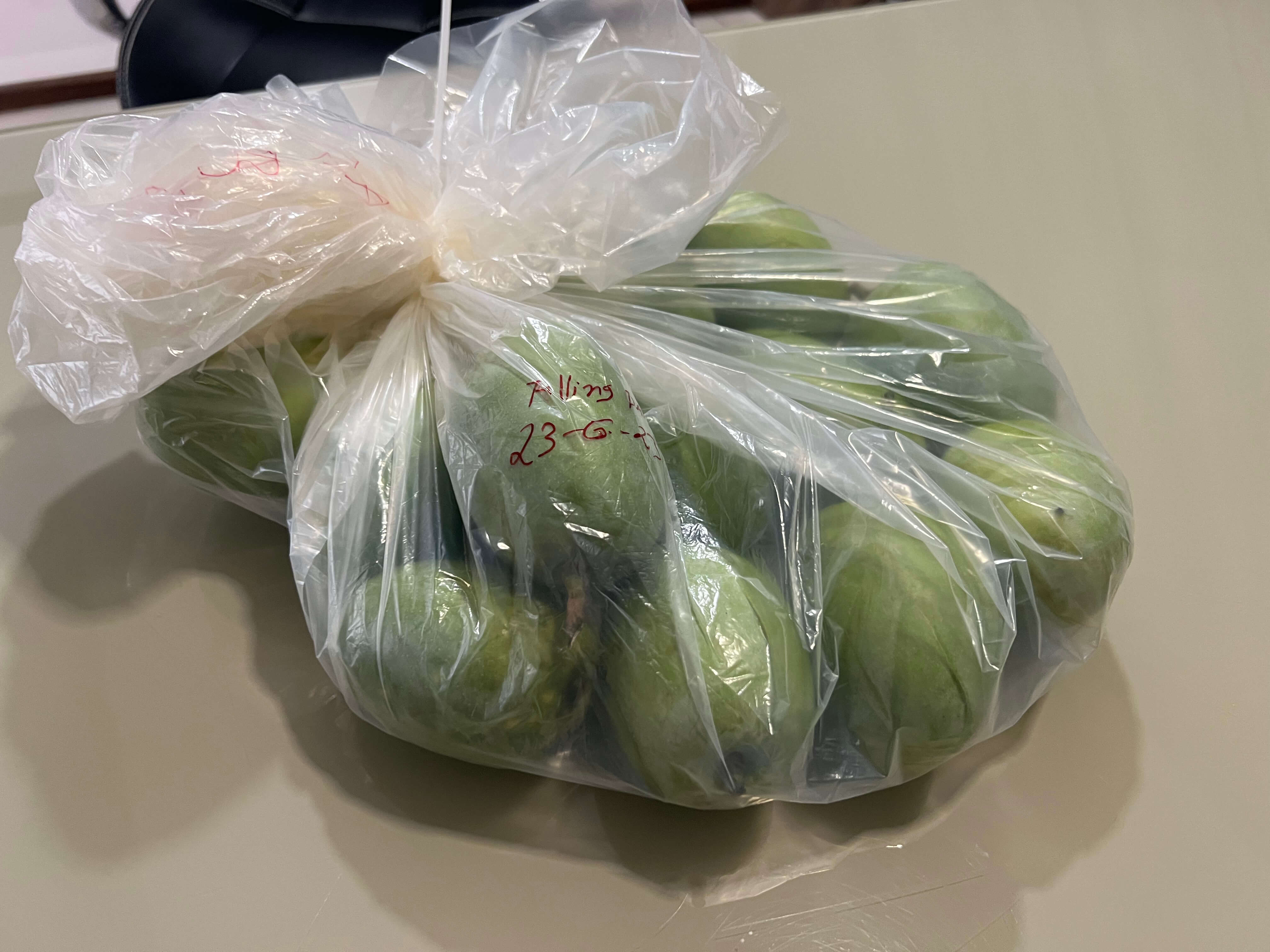
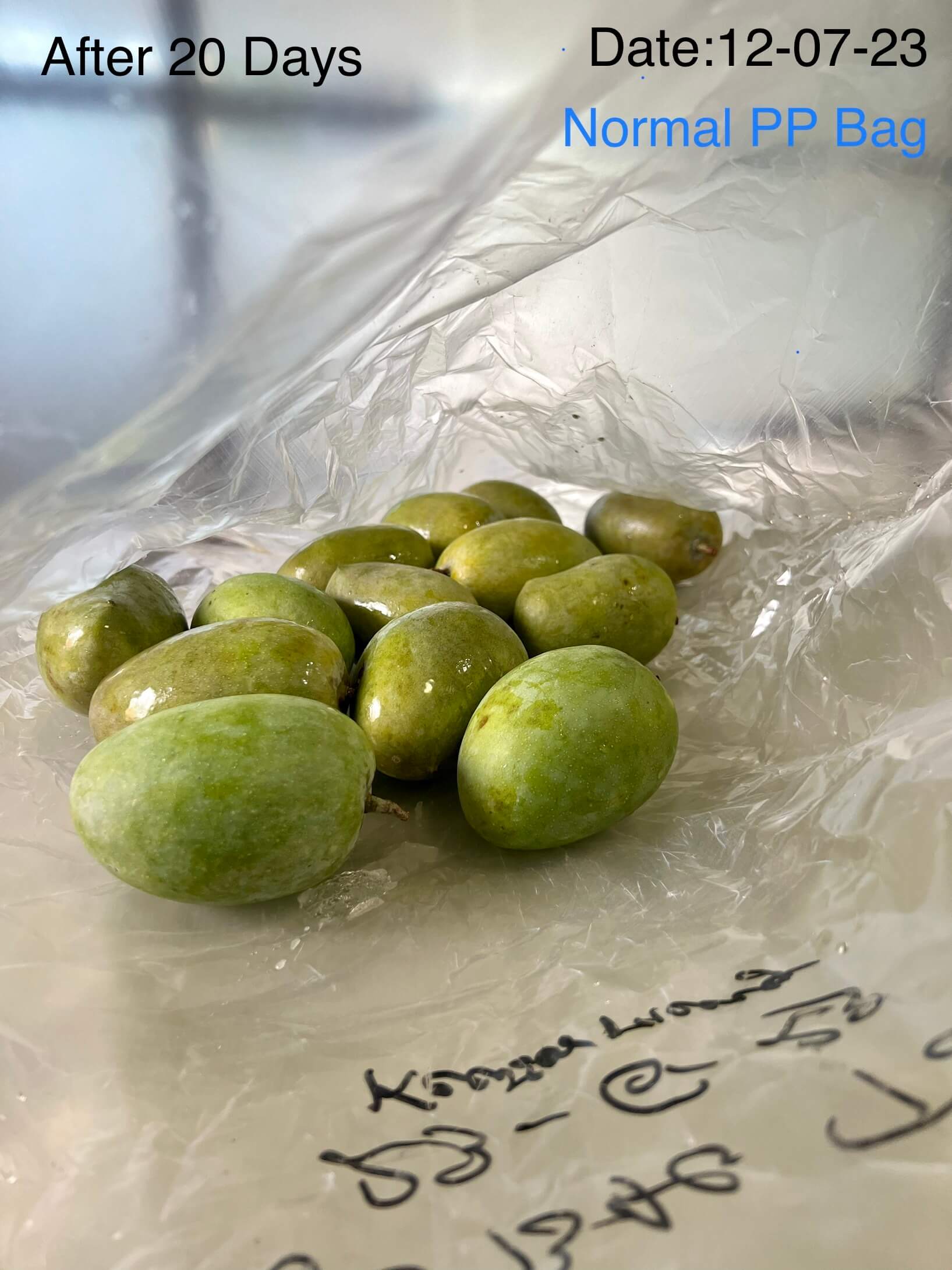
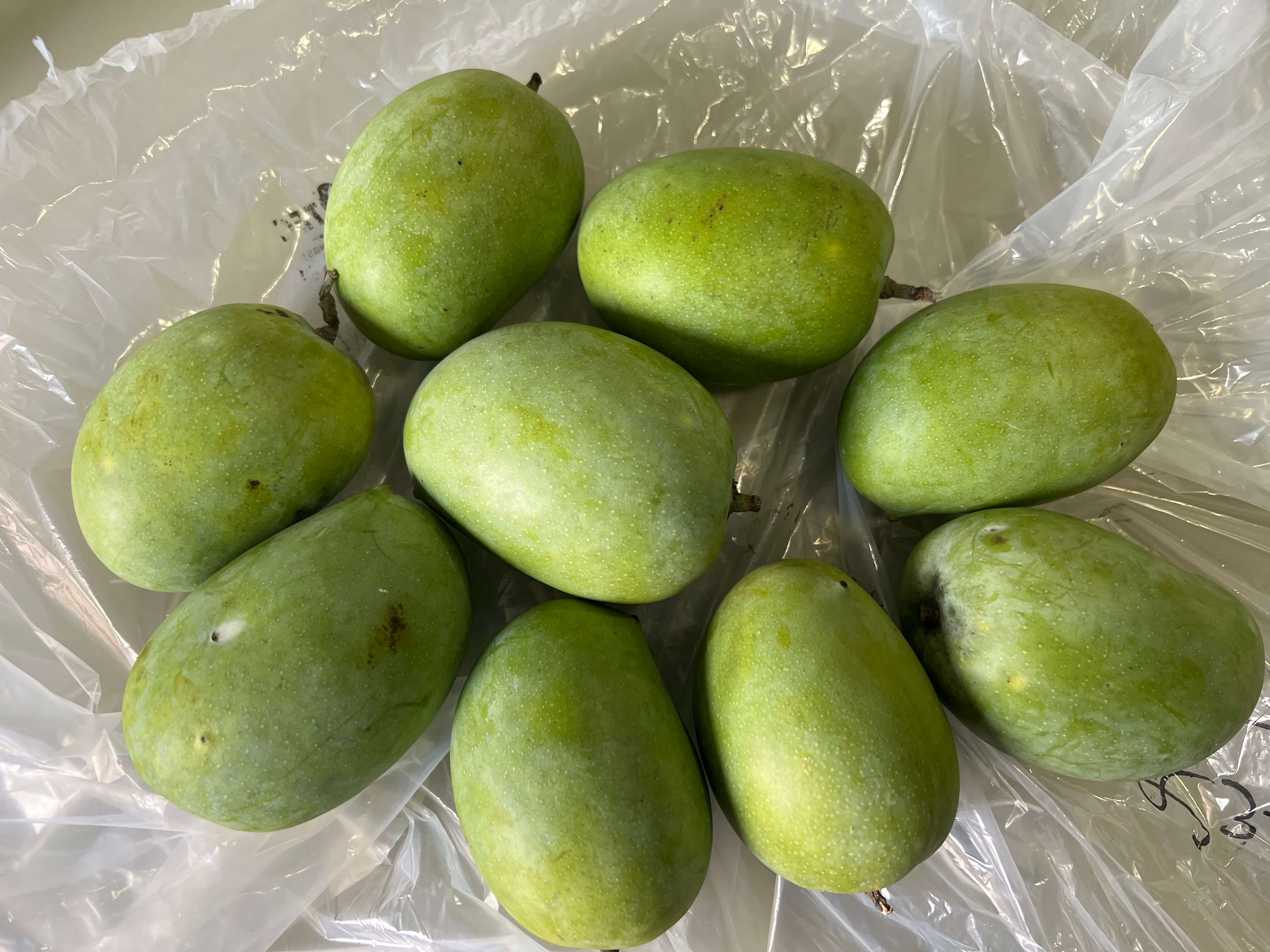
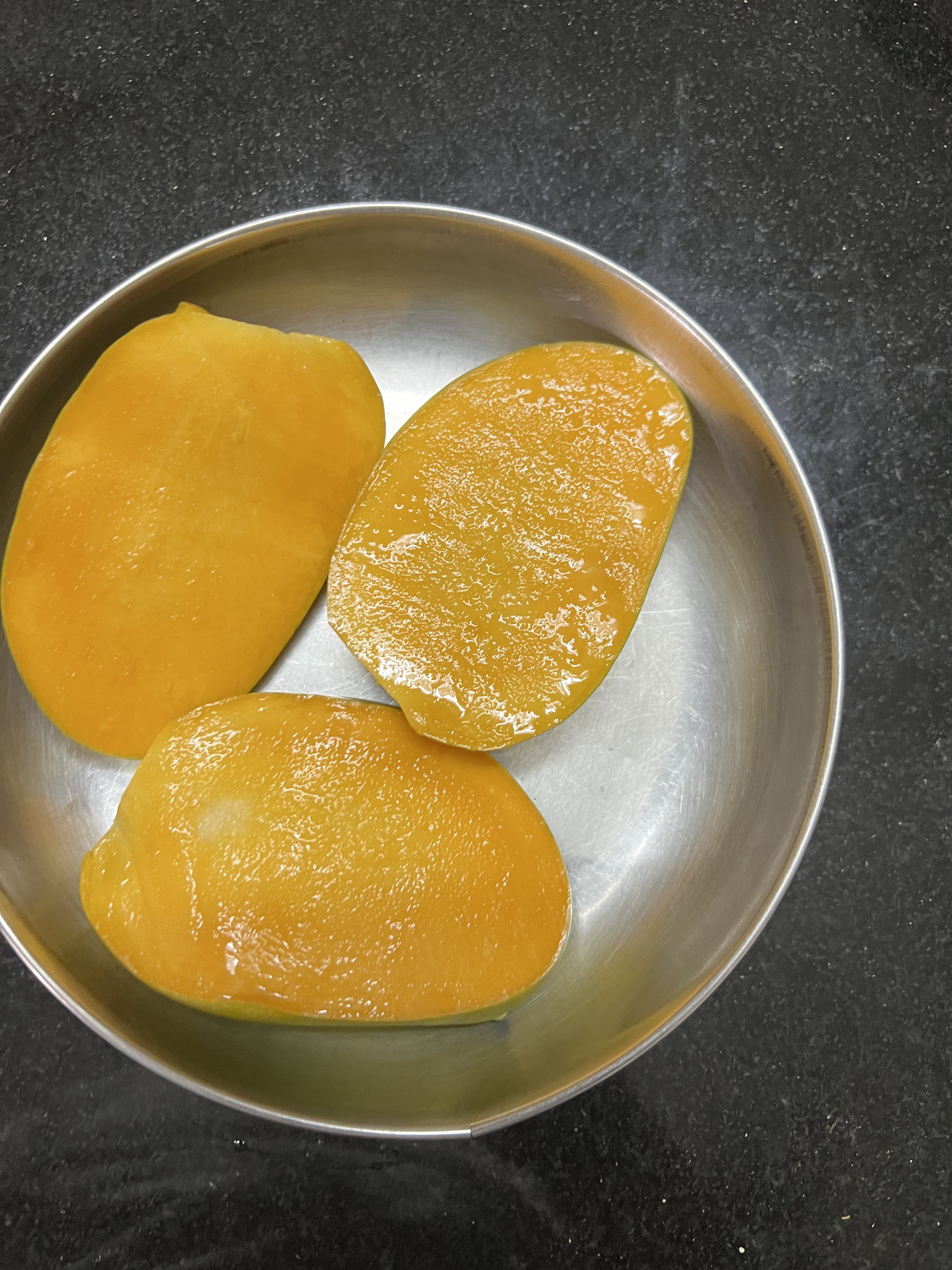
Side-by-side
| Parameter | Non-MAP / Other MAP bag | MicroKlimate™ MAP bag |
|---|---|---|
| Initial quality | Excellent | Excellent |
| Storage life | ~20 days | 38 days |
| Condensation | High | Controlled |
| Fruit firmness | Reduced | Maintained |
| External quality | Deteriorated | Good |
| Marketability | Lost after ~20 days | Maintained after 38 days |
| Ripening after storage | Not evaluated due to deterioration | Normal ripening, excellent flesh quality |
The science
Fresh fruits continue to consume oxygen and release carbon dioxide after harvest. In a non-MAP bag, the atmosphere is not controlled — respiration stays high, moisture accumulates, ripening accelerates, and shelf life falls.
MicroKlimate™ MAP bags are engineered to create a balanced internal atmosphere by naturally regulating gas exchange around the fruit.
Slows respiration
Lower oxygen around the fruit keeps metabolism low.
Delays ripening
Fruit stays green and firm through storage.
Reduces moisture loss
Controlled humidity limits condensation and weight loss.
Preserves freshness
Marketable quality maintained over long transit.
For exporters
Conclusion
Under identical refrigerated storage conditions, the non-MAP / other MAP bag maintained acceptable fruit quality for about 20 days before significant deterioration. The MicroKlimate™ MAP bag maintained marketable fruit quality for 38 days — keeping mangoes firm and green during storage, and allowing them to ripen normally afterward. This trial demonstrates the potential of MicroKlimate™ Modified Atmosphere Packaging to significantly extend mango shelf life during refrigerated storage and long-distance export.
Key takeaways
About MicroKlimate™
MicroKlimate™ is Antilia Tec Pack's advanced Modified Atmosphere Packaging (MAP) technology developed for fresh produce. The packaging is designed to create an optimal internal atmosphere that helps extend shelf life while maintaining freshness, quality, and marketability.
Suitable for mango, banana, avocado, dragon fruit, pomegranate, citrus, vegetables and fresh-produce export.
Disclaimer: This report is based on a comparative storage trial conducted under controlled refrigerated conditions. Performance may vary depending on fruit variety, harvest maturity, storage temperature, humidity, handling practices, and supply-chain conditions. Additional validation may be required for commercial applications under different operating environments.